
Orthopedic Rehabilitation
Orthopedic Rehabilitation is a specialized treatment aimed at alleviating muscle and joint stiffness in patients undergoing medical or surgical intervention for musculoskeletal problems, facilitating their return to their pre-treatment functional state.
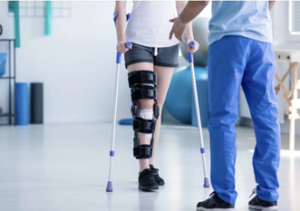
Orthopedic Rehabilitation is commonly applied to the following disorders:
• Achilles tendinitis
• Fractures of the foot and ankle
• Amputation
• Arthroplasty (joint replacement surgery)
• Bankart lesions (recurrent shoulder dislocation)
• Herniated disc
• Spondylolisthesis (waist shift)
• Cervical hernia (neck hernia)
• Osteogenesis imperfecta (glass baby bone disease)
• Spinal stenosis (narrow canal)
• De Quervain tendinitis
• Cubital tunnel syndrome (nerve compression in the elbow)
• Patella fractures
• Congenital shortness and dwarfism
• Frozen shoulder (adhesive capsulitis)
• Posture and gait disorders
• Pes planus (flat feet)
• Ganglion cysts of the wrist
• Hallux valgus (bunyon)
• Femoroacetabular impingement (hip impingement syndrome)
• Scapular winging (winged scapula)
• Carpal tunnel syndrome
• Osteoporosis (bone resorption)
• Kyphosis
• Cubital tunnel syndrome (nerve compression in the elbow)
• Lateral epicondylitis (tennis elbow)
• Meniscal injuries
• Osteoid osteoma
• Osteomalacia
• Osteosarcoma
• Scoliosis
• Spina bifida
• Spinal muscular atrophy (SMA)
• Spinal palsy
• Plantar fasciitis (heel spur)
Orthopedic Rehabilitation employs tailored treatment plans, including exercises, physical therapies, and functional training, to optimize recovery and enhance the patient’s mobility and quality of life.
NEUROLOGICAL REHABILITATION
Neurological Rehabilitation is a specialized treatment approach employed in cases where damage occurs to the peripheral and central nervous systems. This form of rehabilitation is applicable in various neurological disorders, including but not limited to:
● Stroke (resulting in Hemiplegia)
● Multiple Sclerosis (MS)
● Amyotrophic Lateral Sclerosis (ALS)
● Cerebral Palsy
● Guillain-Barre Syndrome
● Muscular Dystrophy
● Parkinson’s Disease
● Balance Disorders
PEDIATRIC REHABILITATION
Pediatric Rehabilitation, also known as child rehabilitation, is designed to address the physiological, anatomical, and environmental limitations faced by children with disabilities or deficiencies. It is beneficial in managing and improving conditions such as:
● Cerebral Palsy
● Spina Bifida
● Spinal Cord Injuries
● Musculoskeletal Diseases
● Head Traumas
● Gait Disturbances
● Spasticity Treatment
● Brachial Plexus Injuries
HAND REHABILITATION
Hand Rehabilitation, also referred to as hand therapy, encompasses a comprehensive treatment approach that includes physiotherapy and rehabilitation for the wrist, elbow, and shoulder regions. It is effectively applied in various hand-related disorders, including:
● Soft Tissue Injuries to the Hand due to accidents or impacts
● Soft Tissue (Tendon or Ligament) Incisions
● Nerve Injuries
● Burns
● Fractures and post-fracture surgery
● Arthritis (including calcification and rheumatic diseases)
● Cartilage Injuries and post-cartilage surgery
● Neurological conditions affecting hand function (e.g., Stroke, Parkinson’s, Multiple Sclerosis)
● Post-hand surgery rehabilitation
● Work-related hand injuries
● Painful musculoskeletal conditions
● Ligament and Tendon diseases and post-surgery rehabilitation
● Post-lengthening surgery (e.g., Ilizarov procedure)
● Nerve compression syndromes such as Carpal Tunnel Syndrome and Cubital Tunnel Syndrome
● Kienbock’s Disease
● Lunatum Avascular Necrosis
● After brachial plexus injury and surgery
● After muscle transfer surgery
● Triangular Fibrocartilage Complex Injury (TFCC) tear
● Guillain-Barre Syndrome
Spinal Cord Rehabilitation
Spinal Cord Rehabilitation is a specialized approach focused on helping individuals recover and enhance their functional abilities after spinal cord injuries or conditions affecting the spinal cord. The goal is to improve independence, mobility, and overall quality of life. A team of healthcare professionals designs personalized treatment plans, including physical and occupational therapy, assistive devices, and psychological support to empower patients in coping with the challenges of their condition. The ultimate aim is to facilitate meaningful participation in daily activities and societal reintegration, improving the functional outcomes and well-being of individuals with spinal cord impairments.
Electrotherapy
Electrotherapy is a non-invasive therapeutic technique that utilizes controlled electrical currents to treat medical conditions and promote healing. It involves applying electrical stimulation to specific areas of the body using specialized devices. This treatment can help relieve pain, strengthen muscles, and improve blood circulation. Common types of electrotherapy include TENS for pain relief and EMS for muscle rehabilitation. Electrotherapy is widely used in physical therapy and rehabilitation to manage chronic pain, aid recovery after injuries or surgeries, and enhance muscle function. When administered by trained professionals and tailored to individual needs, electrotherapy is considered safe and can be an effective complementary treatment to improve overall well-being and quality of life.
Rehabilitation Exercises
Rehabilitation exercises are an integral part of physical therapy and medical recovery programs. They are carefully designed to aid patients in their journey to regain mobility, function, and overall well-being after injuries, surgeries, or medical conditions. These exercises focus on improving strength, flexibility, balance, and healing while reducing pain and discomfort.
Tailored to each individual’s unique needs, rehabilitation exercises are guided by healthcare professionals to ensure safety and effectiveness. Activities may involve stretching, resistance training, balance exercises, and cardiovascular workouts, depending on the patient’s specific condition and stage of recovery.
Consistency and adherence to the prescribed exercise program are crucial for achieving positive outcomes. By following healthcare professionals’ guidance and gradually progressing through the exercises, patients can experience improved mobility, decreased pain, and a faster return to their daily activities.