

Angioplasty, also known as balloon angioplasty, is a minimally invasive procedure used to open narrowed or blocked arteries, allowing blood to flow more easily. It is commonly used for patients with coronary artery disease, peripheral artery disease, carotid artery disease, and chronic kidney disease caused by atherosclerosis (plaque buildup).
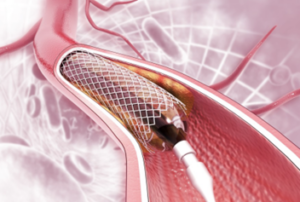
During the procedure, a catheter is inserted into a blood vessel in the wrist or groin and guided to the blocked or narrowed artery using X-ray imaging. A small balloon at the end of the catheter is inflated, pushing the plaque aside to restore blood flow. In some cases, a stent (a metal scaffold) is then inserted to keep the artery open.
Angioplasty has several benefits, including lower risk and cost compared to surgical procedures, and it leaves only a small wound at the catheter insertion site. However, it also carries some risks, such as reactions to the dye used, heart attack, stroke, and blood vessel or kidney damage.
After the procedure, patients may need to stay in the hospital for a few hours or overnight for recovery. Rest and limited physical activity are recommended for the next 24 hours, and medications like aspirin or blood thinners may be prescribed.
Patients are usually able to return to work and resume driving within a week after a coronary angioplasty. However, recovery time may vary for other types of angioplasty procedures.
Patients should contact our healthcare provider if they experience bleeding, infection, or changes in color, pain, or warmth at the catheter insertion site. Additionally, any issues with prescribed anti clotting medications should be discussed with our specialist during online follow-up talks.
bypass surgery, also known as coronary artery bypass grafting (CABG), is a surgical procedure that reroutes blood around blocked areas in the coronary arteries of the heart. The surgery involves using blood vessels from other parts of the body to create alternate pathways for blood to flow, bypassing the blocked arteries.
In some cases, minimally invasive techniques may be used, involving smaller incisions and avoiding the use of a heart-lung machine. However, this option is only suitable for specific individuals who meet certain criteria.
bypass surgery is typically recommended for individuals with coronary artery disease who have significant blockages in three areas of their heart’s arteries. It is performed to relieve symptoms like chest pain, shortness of breath, and to reduce the risk of heart attacks.
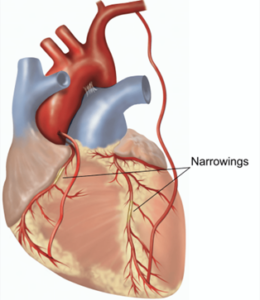
The procedure involves making an incision down the middle of the chest, accessing the heart by splitting the breastbone. Blood vessels are taken from other parts of the body and attached to the aorta and the coronary artery, below the blockage sites.
After surgery, patients are closely monitored in the intensive care unit and may need to stay in the hospital for several days. Recovery can take six weeks or more, during which patients are encouraged to gradually resume daily activities while avoiding strenuous activities.
bypass surgery has several advantages, including improved blood flow, reduced symptoms, and increased chances of survival compared to other treatment options like medication or angioplasty and stenting.
However, like any surgery, there are risks and potential complications, including kidney failure, stroke, blood clots, and infections, among others. Despite the potential risks, over 95% of patients undergoing elective triple bypass surgery do not experience serious complications.
The life expectancy after bypass surgery is generally positive, with more than 75% of patients still alive long years after the procedure. Taking prescribed medications and making lifestyle changes, such as adopting a healthy diet, quitting smoking, and regular exercise, can contribute to a better long-term prognosis.
Heart valve replacement is a surgical procedure that involves replacing a damaged heart valve with either a biological or mechanical valve. This surgery is recommended when a heart valve does not form correctly at birth or becomes too narrow, stiff, or leaky over time, hindering the efficient flow of blood through the heart.
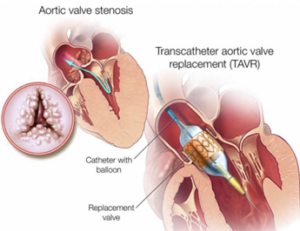
There are four types of heart valves in the heart that control the direction of blood flow, and when one of them malfunctions, it may necessitate medical intervention. Initially, patients may try medication or valve repair, but if these options are not effective, heart valve replacement becomes necessary.
Heart valves can be replaced with either biological valves (made from cow, pig, or human tissue) or mechanical valves (made of metal or carbon). Both types have their advantages and drawbacks, and the choice depends on factors such as age, lifestyle, and the type of valve affected.
There are different surgical methods for heart valve replacement, including open-heart surgery, minimally invasive surgery, and transcatheter aortic valve replacement (TAVR). TAVR is a less invasive option suitable for high-risk patients, while open-heart surgery is still common, especially for young patients or those needing other additional procedures.
The procedure involves making incisions, removing the diseased valve, and replacing it with the chosen valve type. After the surgery, patients are monitored closely in the ICU and may stay in the hospital for about five to seven days.
The advantages of heart valve replacement include improved quality of life and symptom relief. Minimally invasive procedures offer benefits such as shorter hospital stays, faster recovery, and lower infection risks.
However, like any surgical procedure, heart valve replacement carries risks, including bleeding, infection, and potential complications associated with the chosen valve type. Despite the risks, heart valve replacement provides a long-term solution and can significantly improve the patient’s overall health and well-being.
Heart transplant is a complex surgical procedure that involves replacing a patient’s diseased heart with a healthy heart from a donor. It is considered a last-resort treatment for people with end-stage heart failure, where the heart is permanently damaged and unable to pump blood effectively. To qualify for a heart transplant, patients must meet strict requirements and be very ill despite medical therapy.
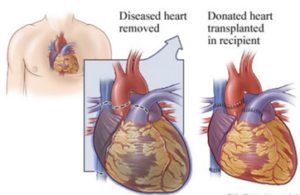
The need for heart transplants arises from various conditions such as cardiomyopathy, coronary artery disease, congenital heart disease, and valvular heart disease. However, heart transplants are relatively rare due to the scarcity of donor hearts and the complexity of the surgery. Less than 8,200 heart transplants were performed worldwide in 2022.
The heart transplant process involves several stages, including medical evaluations, psychological and neurological assessments, dental evaluations, and a social and financial evaluation. After being added to the transplant waiting list, patients may require bridge treatments, which include medications and mechanical support to manage their condition while awaiting transplantation.
During the heart transplant surgery, the patient is placed under general anesthesia, connected to a ventilator, and given blood thinners. The surgeon removes the diseased heart and implants the donor heart, which may require electrical pacing to start beating.
After the heart transplant, patients go through a hospital recovery period, typically one to three weeks. They receive a plan of care, including medications, dietary guidelines, exercise recommendations, and instructions on recognizing signs of complications or rejection. Immune system suppression medications are prescribed to prevent the patient’s immune system from attacking the donor heart.
The advantages of heart transplantation are life-saving potential for patients with no other treatment options, while the major disadvantages include the scarcity of donor hearts, the complexity of the surgery, and the potential risks and complications associated with the procedure.

