
Deep Brain Stimulation
(DBS) is a neurosurgical procedure that involves implanting electrodes in specific regions of the brain to deliver electrical impulses. It is used to treat certain neurological disorders, including Parkinson’s disease, essential tremor, and dystonia. DBS is considered when medication fails to adequately control symptoms, or when medication causes severe side effects. The advantages of DBS include symptom improvement, reduced medication dosage, and enhanced quality of life. However, it also carries risks, such as surgical complications, infection, and possible cognitive or mood changes. A comprehensive evaluation by a multidisciplinary team is essential to determine if DBS is suitable for an individual patient.
DBS can lead to significant improvement in motor symptoms, leading to better mobility and functional ability.
Reduced Medication Dependency: Patients may be able to reduce their medication dosages, which can help alleviate side effects associated with long-term drug use. DBS can enhance patients’ overall quality of life by allowing them to perform daily activities with greater ease and independence.
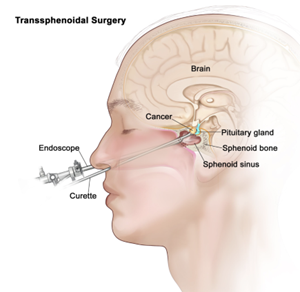
Brain and pituitary tumor surgery is a neurosurgical procedure performed to remove abnormal growths in the brain or pituitary gland. The surgery aims to alleviate symptoms caused by the tumor, reduce its size, and improve the patient’s overall health and quality of life.