

Tube stomach surgery, also known as a gastric tube procedure, is a type of weight loss surgery designed to help individuals who are severely obese to lose weight and improve their overall health. This surgery is typically considered for people who have not had success with traditional weight loss methods such as diet and exercise.
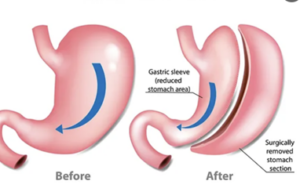
During the tube stomach surgery, a portion of the stomach is removed, leaving behind a small tube-like structure. This reduced stomach size limits the amount of food that can be consumed at one time, leading to a feeling of fullness with smaller portions. The surgery also alters hormonal signals that control appetite, helping patients to feel less hungry.
This procedure is less invasive than some other weight loss surgeries, such as gastric bypass, and typically has a shorter recovery time. However, like any surgery, there are risks involved, including the possibility of infection, bleeding, or complications related to anesthesia.
As with any weight loss surgery, tube stomach surgery is not a stand-alone solution. Patients are required to make significant lifestyle changes, including adopting a healthy diet and engaging in regular physical activity, to achieve and maintain weight loss successfully. Post-surgery, patients may require ongoing medical supervision and support to monitor their progress and address any potential issues that may arise.
It is essential for individuals considering tube stomach surgery to consult with our specialist bariatric surgeon to determine if they are suitable candidates and to understand the potential benefits and risks associated with the procedure. The decision to undergo weight loss surgery should be carefully weighed after considering all available options and in consultation with our medical professionals.
Gastric bypass surgery, also known as Roux-en-Y gastric bypass, is a type of weight loss surgery that helps individuals who are severely obese to lose weight and improve their health. The procedure involves creating a smaller stomach pouch by dividing the stomach and connecting it directly to the small intestine.
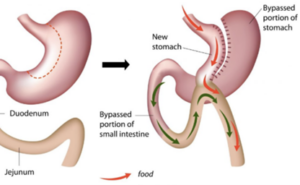
During the surgery, our surgeon staples a small section of the upper stomach, creating a pouch with a reduced capacity for food intake. This smaller pouch restricts the amount of food that can be eaten at one time, leading to a feeling of fullness with smaller portions.
Additionally, our surgeon reroutes a portion of the small intestine, bypassing the larger part of the stomach and a section of the small intestine. This bypass reduces the absorption of calories and nutrients, further contributing to weight loss.
Gastric bypass surgery is considered a more invasive procedure than some other weight loss surgeries, and it typically requires a longer recovery period. Like any surgery, there are risks involved, including infection, bleeding, and potential complications related to anesthesia.
For successful and sustained weight loss, patients must adhere to a strict post-operative diet and lifestyle changes, including adopting healthier eating habits and engaging in regular physical activity. Long-term follow-up care and monitoring by our medical professionals are crucial to ensure the patient’s well-being and to address any issues that may arise post-surgery. Your post-operative care process is included in your treatment package.
As with any weight loss surgery, gastric bypass is not a standalone solution. It is a tool to help patients achieve weight loss and improve their overall health, but it requires commitment and dedication to making lasting lifestyle changes. Therefore, it is essential for individuals considering gastric bypass surgery to consult with our specialist bariatric surgeon, understand the potential benefits and risks, and carefully consider whether this procedure aligns with their weight loss goals and medical history.
Revision bariatric surgery, also known as bariatric surgery revision, is a surgical procedure performed on individuals who have previously undergone weight loss surgery but did not achieve the desired results or have experienced complications. This surgery aims to modify or correct the previous bariatric procedure to improve weight loss outcomes or address specific issues.
There are various reasons why someone might need revision bariatric surgery:
Inadequate weight loss: Some patients may not achieve sufficient weight loss or experience weight regain after their initial weight loss surgery.
Surgical complications: In some cases, complications from the initial surgery may occur, requiring corrective measures.
Medical conditions: Changes in health conditions or the development of new medical issues may necessitate a revision to the original surgery.
Intolerances or side effects: Some individuals may develop intolerances to certain foods or experience adverse effects following the initial procedure.
Inadequate resolution of comorbidities: Certain obesity-related health conditions may persist or return after the initial surgery, requiring further intervention.
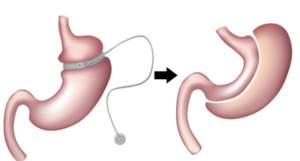
The specific approach for revision bariatric surgery will depend on the patient’s individual circumstances and the type of initial weight loss surgery they had. Common revision procedures include converting one type of weight loss surgery to another (e.g., converting a gastric band to a gastric bypass) or resizing or repairing the original surgery to enhance its effectiveness.
Revision bariatric surgery is generally more complex and carries higher risks compared to primary weight loss surgeries. As such, it requires our experienced bariatric surgeons with expertise in performing such procedures. Before considering revision bariatric surgery, patients must undergo a thorough evaluation to assess their overall health, identify the reasons for the initial surgery’s suboptimal outcomes or complications, and determine the most appropriate revision approach.
It is crucial for individuals considering revision bariatric surgery to fully understand the potential benefits, risks, and expected outcomes. Patients should engage in extensive evaluation with our medical team to make informed decisions and set realistic expectations for the revision procedure.
Jejunoileal bypass surgery, also known as JIB, is a weight loss procedure used to treat severe obesity before other bariatric surgical procedures. However, the significant complications and risks associated with the surgery are slightly higher than with other bariatric operations.

In the jejunoileal bypass procedure, a large part of the small intestine is bypassed, reducing the absorption of calories and nutrients from the food consumed. The surgeon creates a connection (anastomosis) between the jejunum (middle part of the small intestine) and the ileum (lower part of the small intestine), bypassing the duodenum and part of the jejunum.
While surgery leads to rapid weight loss, it can also cause severe malabsorption of essential nutrients, leading to serious health complications. Patients may experience vitamin and mineral deficiencies, dehydration, electrolyte imbalances and other adverse effects for a while.
Because of these complications, it is important to work with an absolute bariatric surgery dietitian after jejunoileal bypass surgery.
It is important to remember that anyone considering weight loss surgery should consult our specialist bariatric surgeon to explore safer and more appropriate options that are compatible with their specific medical needs and weight loss goals.
** No method of surgery, neither gastric banding or gastric bypass, is guaranteed, and your results with weight loss surgery can vary. Your dedication to making it work (including a new diet and way of life) will ultimately determine the success of any procedure.
Bariatric surgery promotes weight loss by two different methods. The surgical options we offer at Sanita Group Health & Treatment Platform are Roux-en-gastric bypass and adjustable gastric banding.


